
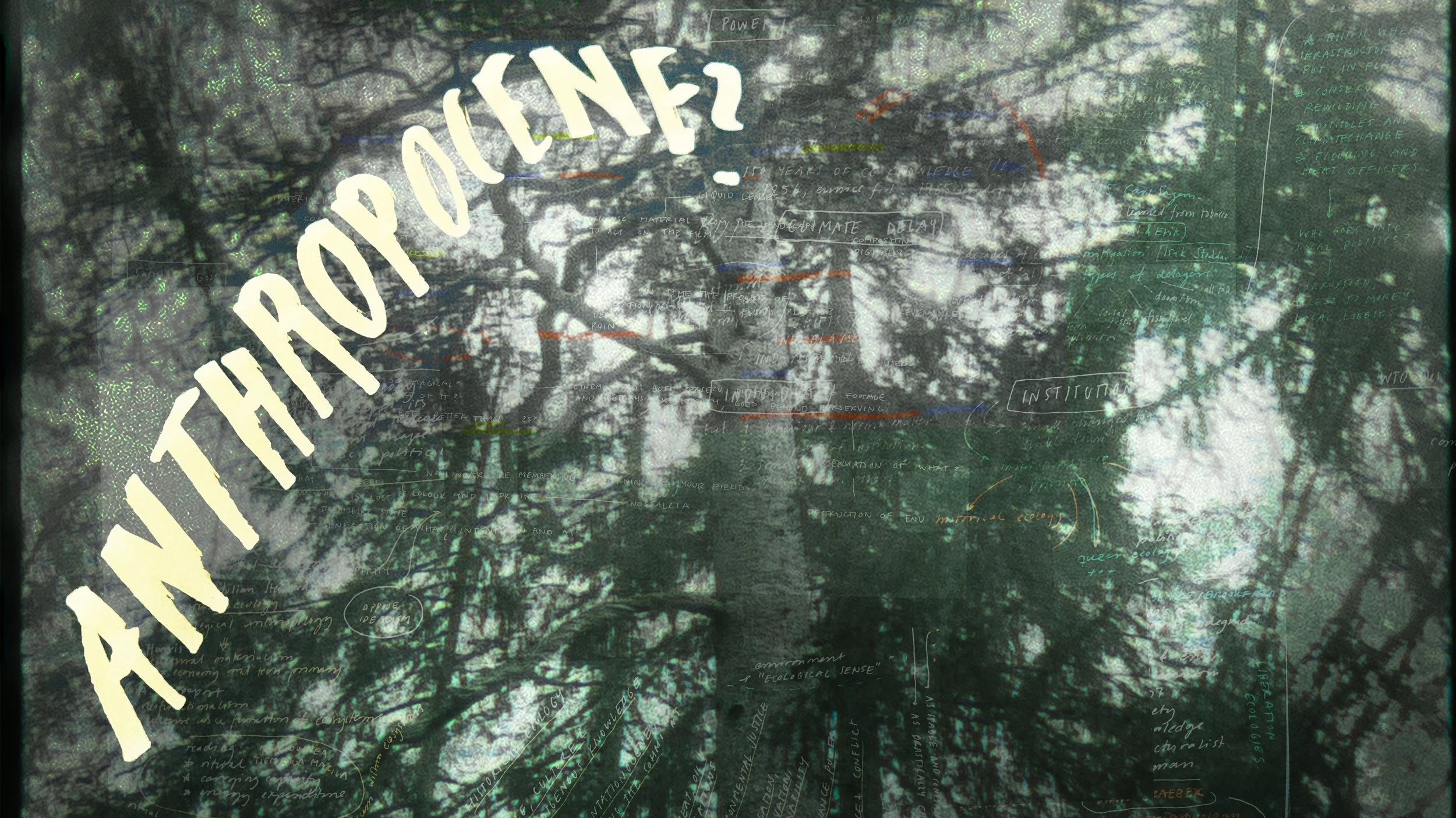
An evening of ethnographic and experimental screenings and conversations, taking the debated buzzword/theory as a starting point to provoke discussion around entangled relationships with climate and environment.
Programmed by Arti Siudem, Sam McNeil and Emelie Victoria
To start off the year and work towards our 2026 edition of KONTEKST Film Festival, we invite you to a community film screening showcasing works by emerging visual anthropologists and filmmakers whose works explore relationships between humans and more-than-human actors.
Tickets are PAY WHAT YOU CAN: £10 standard, £5 concession, FREE available upon request (no questions asked).
FUNDRAISER INFO: The funds we raise through through ticket sales will be used: 85% to cover for the annual fees of hosting our website and 15% donated to the fundraiser pot for the Al-Jawad camp.
FILM SCREENING:
1. L'Ombra di Rasputin (27min) by Pietro Francesco Pingitore
A hunter, a veterinarian and a nurse conversing around a surgical table while performing surgery on a wild boar. Different visions of care juxtapose in one ecology where nature is manufactured, harvested and exploited by human capital. In this frame the wild boar Rasputin is held captive in between imperatives of ecological human regulations; Whereas the nature/culture divide is enacted, wilderness is the shadow of human architectures. This sensorial exploration looks at conservation behaviours as infrastructures shielding domestic spheres from wildlife in the plains surrounding Piacenza. Landscapes are framed in conversations with humans, other-than-human actants and technologies of control.
Content warning: animal harm, body organs.Pietro Francisco Pingitore (he/him) is a visual anthropologist from Milan, Italy who uses filmmaking to explore lines traced by the separations between nature and culture, domestic and wild, art and science, behaviour and performance, documentary and fiction.
2. Disjointed (11min) by Clara Helbig
Two men share their experiences of working in the food industrial complex, challenging our traditional ideas of food production. Dealing with a patriarchal paradigm in crisis, disjointed offers a performative space to heal from trauma: work movements become a way of embodying the inaccessible.
Content warning: animal harm, gore-like visuals, mentions of violence and suicide.Clara Helbig (she/her) is a filmmaker whose work explores human, animal, and landscape entanglements.
3. Letters to a Forest (23min) by Emelie Victoria
A collective poetic essay film where diverse voices reach out from and to Swedish forest landscapes with reflections on belonging, power, value and change. Throughout the film, we are accompanied by field-recordings from the forest, as well as glimpses of sounds formed by translating electronic vibrations from various species in the landscape the film takes place in; recorded by the sound artist Simon Lerin. The image’s grain and movement invite the viewer to pay attention to the subjectivity of the filmmaker and the collaboration required to make the film.
Emelie Victoria (she/they) is a is a Swedish/Norwegian multimedia researcher and artist whose work often makes use of methodologies inspired by forms of correspondence, and a focus on relationships and collage to address questions that centre around climate justice, imaginaries, queer ecology and belonging.
4. Hunt for the Malwoden (19min) by Lily Angelone
What does it mean to make kin with beings we are taught to revile? Hunt for the Malwoden is a meditation on kinship, disgust, and the porous boundaries between human and more-than-human worlds
Lily Angelone (she/her) is a visual anthropologist curious about the porous boundaries between human and more-than-human worlds.
PANEL:
The screening of four short films will be followed by a panel where the filmmakers, alongside researchers, will untangle questions of power, translation and ethics that erupt while from working within this theme. In the panel, we will take off from the concept of ‘Anthropocene’ to discuss how human relationships with, and impact on non-human actors are researched, framed and explored; and how dominant political narratives continue to enforce the separation of nature/culture. On the panel we will welcome:
1. Elisabed Gedevanishvili (they/them) - a multi-disciplinary researcher working on climate change, the environment, and prefigurative politics in the South Caucasus.
2. Lily Angelone (she/her) - author of the film “Hunt for the Malwoden”.
3. Clara Helbig (she/her) - author of the film “Disjointed”.
We hope that the selection of works and conversation prompts will result in a thought-provoking discussion with the audience which can guide us us in programming other events throughout this year. We look forward to meeting on the 9th of January!